Trusted Orland Park Contractors
To get remodeling excellence in Orland Park, demand a documented scope, code checks against village and county rules, and line‑item pricing tied to permits and inspections. Lock specs early (SKUs, finishes, mechanicals) for accurate takeoffs and sequencing. Verify licenses, insurance, and inspection history; scrutinize BBB, litigation, and recent client references. Require GFCI/AFCI, ventilation calcs, moisture‑rated substrates, and kiln‑dried lumber. Track budget-to-actuals weekly and document change orders. You’ll see how top pros protect schedule, cost, and quality next.
Essential Points
- Confirm licensing, permits, and insurance for Orland Park; check BBB ratings, litigation history, and recent inspector sign-offs before hiring.
- Request clear project estimates that include itemized costs for labor, materials, and allowances, contingencies, and well-defined payment schedules connected to inspections.
- Confirm building code requirements including structural load paths, proper ventilation, electrical safety measures, emergency egress, fire blocking systems, and Cook County zoning compliance.
- Finalize specifications upfront (SKUs, finishes, mechanicals) to enable reliable estimates, controlled costs, and punctual sourcing.
- Emphasize high-value improvements through Energy Star-certified devices, LED illumination, accessible bathrooms, upgraded insulation, and house-wide surge protection.
What Sets Top Orland Park Remodelers Apart
Start with established methods and local expertise. You should have a contractor who documents scope, verifies zoning, acquires permits, and arranges inspections without delays. Leading Orland Park remodelers check load paths, calculate ventilation, and implement GFCI/AFCI protection where required. They double-check measurements, model conditions, and orchestrate trades to preserve clearances, fire blocking, and egress.
You'll notice their local expertise in their strategic sequencing of structural modifications, removal, and demolition work to safeguard nearby finishes and utilities. They implement thorough quality control measures: water-resistant materials in moisture zones, kiln‑dried lumber, eco-friendly finishing materials, and regulation-meeting attachment systems. They maintain detailed documentation with inventory records, product specifications, and delivery verification against specifications. They finalize work with detailed project documentation, warranty certificates, and built drawings, confirming your remodel performs optimally while adhering to safety protocols and building codes.
Smart Planning and Transparent Pricing Strategies
From pre-design through closeout, smart planning and transparent pricing maintain your Orland Park home improvement project on schedule, cost-effective, and up to code. You commence with a comprehensive plan, a compliance verification against Orland Park and Cook County regulations, and a project timeline connected with permits, inspections, and lead times. You coordinate specifications at the start-SKUs, finishes, mechanicals-so measurements are accurate and procurement is sequenced.
Implement sequential projections to validate costs at concept, schematic, and construction documents. Break down the budget to assign funds to discrete work packages-demolition, structural work, mechanical systems, finishing touches-so you monitor variances in real time. Mandate itemized labor, materials, allowances, and contingencies, plus unit pricing for changes. Lock long-lead items with down payments, specify inclusions/exclusions, and determine payment triggers by quality checks or task completion, not calendar dates.
How to Properly Vet Contractors
Before starting the bidding process, make sure to verify every contractor's legal status and history in Cook County and Orland Park. Commence with checking licenses through the Illinois Department of Financial and Professional Regulation and the Orland Park Village permit database. Confirm they carry active liability insurance and workers' compensation; obtain insurance certificates naming you as certificate holder. Examine their BBB rating, legal record, and grievances linked to their building permits.
Evaluate feedback on major review sites including Google, Houzz, and GuildQuality, paying attention to compliance with codes and inspection results, schedule adherence, and management of change orders. Perform client verification with a minimum of three current customers and one completed work over three years old. Request inspector sign-off documents and completion photographs. Check out an active jobsite to assess site cleanliness, safety protocols, management of subcontractors, and posted permits.
Aligning Vision, Budget, and Timeline for Success
When you're working on a kitchen renovation or adding more living space, you need a precise scope that links design intent to a practical budget and workable schedule. Document design requirements in writing: spatial measurements, finish schedules, appliance specs, fixture specifications, and code-required clearances. Set up an allowance framework for cabinets, tiling, lighting, and unexpected costs, then verify delivery schedules to maintain the critical path.
Coordinate schedules with numbers. Establish a baseline schedule with critical points: permits, rough work, inspections, drywall installation, and final punch. Use staged planning if utility work or material lead times affect progress. Secure contractor agreements and validate permit process with Orland Park municipality.
Hold weekly progress reviews against actual versus budgeted costs and schedule variance. Record scope changes without delay, specifying project parameters, financial implications, and days added, prior to implementation.
Key Elements Boosting Livability, Usability, and Home Worth
As codes continue to evolve and property owner requirements rise in Orland Park, you can prioritize upgrades that improve everyday usability while maximizing appraisal value. Start with a high-impact kitchen: specify Energy Star-rated, eco-friendly appliances, induction cooktops, and resource-efficient, code-compliant fixtures. In baths, incorporate barrier-free showers, blocking for grab bars, and accessible handles to advance universal design without compromising style.
Boost indoor comfort and system performance with upgraded insulation, air sealing, and a right-sized HVAC with advanced zoning systems and Wi‑Fi thermostats. Incorporate LED lighting, child-safe receptacles, GFCI/AFCI protection, and whole‑home surge suppression to fulfill current electrical standards. Maximize storage with complete-extension storage, organized entry spaces, and custom closet systems. Outside, think about engineered deck materials, premium windows, and insulated garage doors to maximize efficiency and curb appeal.
FAQ
How Do Home Remodels Affect Insurance Coverage and Premiums
Renovation work may impact your dwelling's rebuilding cost, meaning your insurer could need to update your insurance coverage and rates. You may need policy modifications or coverage add-ons to account for new square footage, modernized utilities, or high-end materials. Inform your insurance copyright before construction starts; they often mandate construction permits, qualified builders, and modifications up to code. Keep records of materials and expenses, modify coverage limits, and secure construction coverage during construction. Once finished, have the property reappraised to verify adequate property protection, code compliance insurance, and liability insurance.
Permit Responsibilities: A Guide for Homeowners and Contractors
You generally manage zoning approvals, HOA consent, and utility notifications; your contractor handles construction permits, specialized trade licenses (electrical, plumbing, HVAC) and schedules inspections. However, review your agreement: you're usually held responsible if permits lapse. You need to sign permit forms, pay fees when required, and furnish site drawings. The contractor needs to provide certified plans, follow code, display permits at the location, maintain safety, and obtain final inspection approvals prior to occupancy.
How Do I Stay Safe While Living Through Major Renovations?
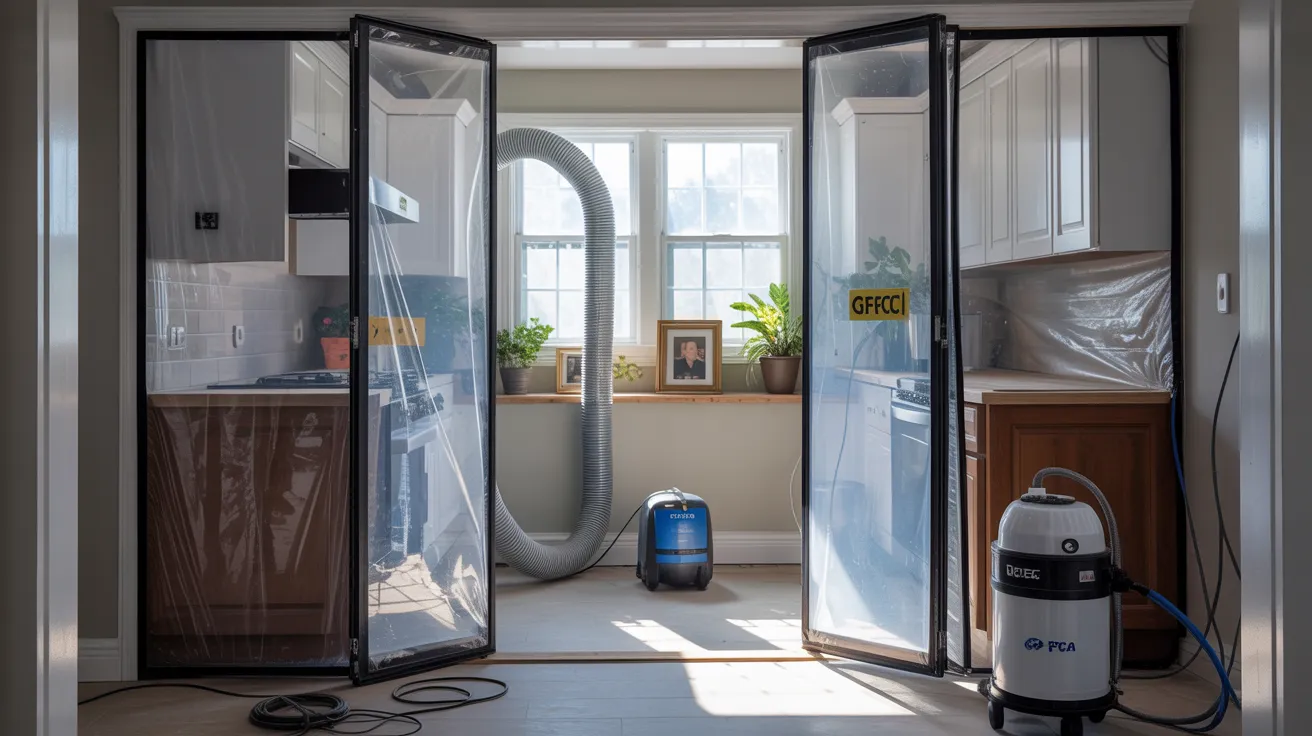
Living safely onsite is possible by isolating work zones with containment barriers and air filtration systems, establishing a provisional cooking area with protected outlets, and ensuring clear egress paths as required by regulations. Establish noise reduction protocols with designated silent periods and sound masking equipment. Use dust control (high-efficiency filters, protective footwear), Orland Builders Inc. daily debris removal, and MERV-13 filters. Confirm CO/smoke detectors, properly seal utilities, and isolate power systems. Keep children and pets out, install cautionary signage, and plan verification visits before moving back into zones.
Understanding Post-Project Warranties for Workmanship and Materials
You usually obtain two types of protection: a Workmanship assurance and a Material warranty. The Workmanship warranty covers installation issues-including misaligned installations, improper sealing-generally 1-5 years, based on code-compliant practices and fix implementations. The Material warranty is provided by manufacturers-protecting fixtures, roofing, windows-lasting 5-30+ years, protecting against defects, not wear and tear or misuse. Looking for security if issues arise? Preserve signed scope, specs, serials, and maintenance logs; require transferable warranties and written claim processes with clear response times.
What's the Process for Documenting Change Orders to Avoid Disputes
You document change orders by creating a formally executed amendment that connects with the original contract. You specify scope changes point by point, attach drawings/specs, and revise quantities, materials, and schedule impacts. You provide detailed pricing or fixed sum, specify labor/equipment rates, and establish approval dates. You handle cost tracking via numbered change order logs, updated budgets, and current time-and-materials tickets. You maintain emails, meeting minutes, and photos to build a defensible record.
Final Thoughts
You've seen what separates elite Orland Park remodelers: they consistently deliver smart planning, upfront pricing, and code-compliant work. You establish goals, confirm licenses and reviews, and demand written specifications for scope, schedule, and specs. You align vision, budget, and timeline; they deliver quality craftsmanship, full compliance, and complete accountability. Choose materials that last, systems that conserve, and layouts that perform optimally. If you carefully evaluate, document explicitly, and track progress, you'll safeguard your investment, elevate comfort, and increase resale value-without complications.